Ready to Go GLOBAL? A Practical Guide for Malaysian SMEs Looking Beyond Borders
In today’s digital age, physical borders have become almost irrelevant. We break down what it takes to take your business international and avoid common mistakes.
Do you feel like 2026 is a turning point for your business? Do you think the world is ready for what your business has to offer? At home, rising operating costs, tighter domestic competition, and a more price-sensitive local market have prompted a familiar question in boardroom meetings and mamak sessions. Is NOW the time to go global?
The idea of “going global” used to be a privilege reserved for large corporations with deep pockets and international offices. But honestly, that perception is outdated. Digital platforms, smarter logistics, and more accessible financing have lowered the barriers to entry. Export growth is no longer about how big you are, but how ready you are.
What going global means today
Exporting today is very different from the past. It’s no longer just about shipping literal containers of goods overseas. Besides physical exports, Malaysian SMEs are now expanding internationally through:
- Digital exports, including professional services, software, and online retail
- Cross-border partnerships, licensing arrangements, and regional distributors
The common thread? Global expansion today is digital-first, data-driven, and risk-managed. It’s not a leap into the unknown with your fingers crossed.
Are you ready?
Malaysian SMEs are known for their product quality, which is on par with international players. So, the struggle here isn’t product quality, but preparation. Before exploring new markets, take an honest look at these main “readiness” pillars:
- Product Readiness
Does your product meet international quality standards? Are packaging, labelling, and certifications suitable for overseas markets? Most importantly, can production scale without compromising quality? Here, digitalisation and automation can go a long way in ensuring consistency on a large scale.
- Market Readiness
Have you identified a clear target market, or are you hoping to “see what sticks”? Understanding customer behaviour, local regulations, pricing norms, and even cultural preferences can make the difference between traction and disappointment. It also helps to know the ins and outs of various Free Trade Agreements (FTAs) to lower costs and overcome non-tariff barriers.
- Financial Readiness
Exporting will change your cash flow dynamics. Overseas buyers may take between 30–90 days to pay, and foreign currency movements can affect margins. Many exports fail not because of weak demand, but because cash flow was not planned properly.
- Mental Readiness
We can’t overlook this crucial factor, because as an SME owner, you ARE your business. You should have the mental bandwidth to manage uncertainty, longer timelines, tighter cash flow, and reduced control without losing strategic discipline. Know when to seek advice from trade specialists, logistics partners, or even your bank. Banks play a critical role in alleviating stress by offering trade finance, export working capital, and FX solutions, taking a huge mental load off your shoulders.
Common mistakes to avoid
Some mistakes come up repeatedly:
- Expanding too quickly and overstretching resources
- Ignoring foreign exchange risk
- Agreeing to weak payment terms
- Entering markets without proper research
Most of these are avoidable with planning and the right advice.
Choosing the right market (and not too many)
A common mistake SMEs make is trying to enter too many markets at once. Take one step at a time. Successful exporters tend to start small and focused. It’s better to have a bird in the hand than two in the bush.
Popular entry points for Malaysian SMEs include:
- ASEAN, due to regulatory familiarity, cultural similarities, and proximity
- The Middle East, particularly for halal-certified products
- Australia and New Zealand, where premium Malaysian brands can find niche demand
- China, which offers scale but requires careful positioning
Choose just one or two markets, learn from your trial run, refine your model, and scale gradually.
The hidden challenge: cash flow and payment
As your business grows, your cash flow will be stretched in ways home-based businesses are not used to. Longer payment cycles, higher upfront logistics costs, and currency volatility can all strain working capital. This is where many SMEs realise that export growth is as much a financial challenge as it is a commercial one.
More experienced exporters focus on:
- Structuring payment terms carefully
- Avoiding over-reliance on a single buyer or country
- Using trade facilities to bridge timing gaps between shipment and payment
- Managing exchange rate risks and opportunities
Rather than funding growth entirely from internal cash, many SMEs turn to banking solutions that are designed specifically for cross-border trade. Ask your Relationship Manager about which options will best suit your business needs.
Managing foreign exchange to protect your margins
Revenue earned overseas is often received in foreign currencies. That can be both an opportunity and a risk. Exchange rate movements can eat into profit margins if not managed properly. Savvy SMEs build FX considerations into pricing from the start, rather than treating them as an afterthought.
Practical steps include:
- Understanding currency exposure before quoting prices
- Monitoring exchange rate trends regularly
- Using FX accounts or hedging tools where appropriate
After all, success isn’t about how much you sell – it’s what you keep.
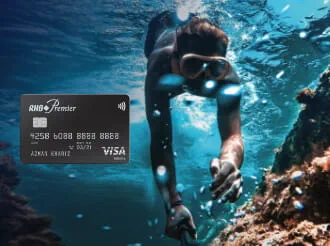
Check out the RHB Premier Multi Currency Visa Debit Card and stay unaffected by currency fluctuations.
Logistics, compliance, and lots of paperwork
Exporting also comes with administrative complexity. Customs documentation, import regulations, tax requirements, and compliance checks can feel overwhelming at first, but you need to manage these until they become second nature.
Businesses that navigate this well usually:
- Work with experienced logistics and freight partners
- Digitise documentation where possible
- Ensure invoices, contracts, and payment records are accurate and consistent
Good systems reduce friction, delays, and costly errors.
Digital platforms: levelling the playing field
Digital tools have democratised access to global markets. E-commerce platforms allow SMEs to test overseas demand with minimal upfront investment. Digital marketing helps brands build international visibility without physical presence. Integrated banking and payment platforms simplify cross-border transactions.
The result? Faster market entry, lower overheads, and greater flexibility for smaller businesses.
The role of the ecosystem
Malaysia has a very comprehensive export ecosystem which includes government agencies, trade bodies, logistics providers, and financial institutions. SMEs that succeed globally often combine advisory support with financial solutions, rather than relying on one channel alone. Banks, in particular, play a quiet but important role by supporting exporters with solutions that match the realities of international trade.
A simple export-readiness checklist
Before taking the next step, SMEs should consider the following:
- Is the product export-ready?
- Can our cash flow support longer payment cycles?
- Do we understand the target market?
- Do we have an FX strategy?
- Are our logistics and compliance processes in place?
- Do we have partners with cross-border expertise?
It’s a journey, not a jump
Global expansion is no longer a distant ambition but a practical option. But success rarely comes from rushing in. The businesses that thrive overseas are those that plan carefully, manage risk, and surround themselves with the right partners. Export growth, done well, builds resilience, diversifies revenue, and opens new possibilities.
Talk to your Relationship Manager today to start your business’s global journey!

Terms and Conditions apply.
RHB Bank Berhad 196501000373 (6171-M) | RHB Islamic Bank Berhad 200501003283 (680329-V)