




How is a Credit Score Calculated?
In Malaysia, Credit Reporting Agencies (CRAs) such as CTOS calculate scores between 300 and 8501 using data from Bank Negara Malaysia’s CCRIS. Regulated under the Credit Reporting Agencies Act 2010, they evaluate your score based on:
- Payment consistency
- Credit usage ratio
- Length of credit history
- Variety of credit types
- Recent credit activity
What is Considered a Good Credit Score?
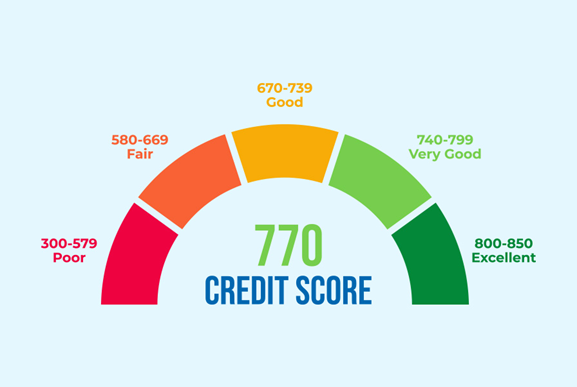
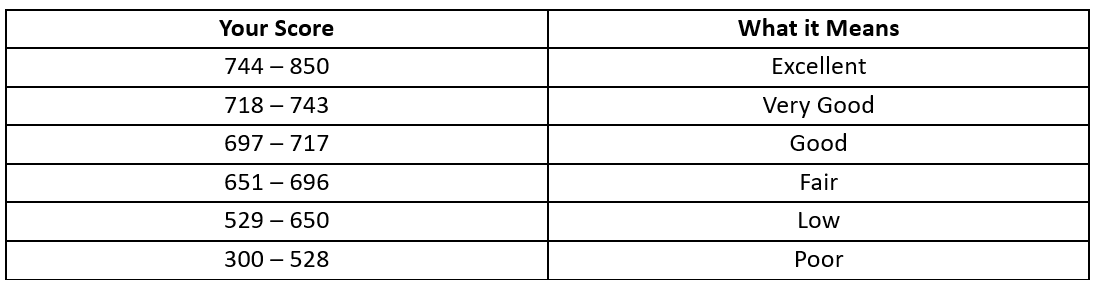
Locally, scores in the mid-600s and above are considered good, while the 700s+ can unlock stronger financing rates. A score of 750 or more often means quicker approvals and better financing, while anything below 529 is seen as poor. For a clearer picture, here’s a breakdown:
Why a Healthy Credit Score Matters
A healthy credit score isn’t just a number; it’s a reflection of your financial credibility. When your score is high, banks and lenders see you as a low-risk borrower, making it easier to secure financial products and services. This can mean:
-
Favourable financing terms
Get lower interest rates, higher credit limits and quicker approvals for personal financing or credit cards.
-
Better insurance/takaful rates
Some insurers/takaful providers offer lower premiums/contributions to customers with good credit history
-
Easier rental approvals
Landlords are more likely to trust tenants who have a solid payment record
-
Career advantages
Employers in finance-related industries often consider credit health as park of background checks
Why a Healthy Credit Score Matters
A healthy credit score isn’t just a number; it’s a reflection of your financial credibility. When your score is high, banks and lenders see you as a low-risk borrower, making it easier to secure financial products and services. This can mean:
-
Favourable financing terms
Get lower interest rates, higher credit limits and quicker approvals for personal financing or credit cards.
-
Better insurance/takaful rates
Some insurers/takaful providers offer lower premiums/contributions to customers with good credit history
-
Easier rental approvals
Landlords are more likely to trust tenants who have a solid payment record
-
Career advantages
Employers in finance-related industries often consider credit health as park of background checks
Beyond these perks, a good credit score gives you long-term financial flexibility. It can help you manage emergencies and build stronger foundations for bigger goals, like buying a house or starting a business.
How Can You Boost Your Credit Score?
Keeping your credit score in the green is easier than it seems. All it takes is a few consistent habits to strengthen your financial standing and build trust with banks and lenders. Here’s how you can start:
-
Always pay on time
Your payment history has the biggest impact on your score. Set up reminders or auto debits to ensure you never miss a due date.
-
Keep credit usage below 30%
Aim to use no more than 30% of your total available credit. Large balances can suggest you rely too heavily on credit, but maintaining lower usage shows stability.
-
Maintain older accounts
The longer your credit history, the stronger your score. Keeping older accounts open proves your reliability over time.
-
Limit credit applications
Frequent applications can signal financial strain and lower your score. Apply only when necessary and maintain steady account history.
-
Balance your credit types
A mix of credit types, like credit cards, personal financing and instalment plans can boost your score and show lenders/financier you manage credit well.
-
Review your credit report regularly
Review your credit report from CTOS yearly. Doing so lets you catch mistakes or suspicious activity and keep your credit history accurate.
Make the Most of Your Credit
Your credit score may just be three digits, but it has a big impact on your financial opportunities. The good news is that keeping it healthy isn’t complicated. Start by learning how it’s calculated, then strengthen it with habits like paying on time and using credit wisely. Check your CTOS or CCRIS profile regularly for insights and refer to the Credit Reporting Agencies Act 2010 to correct any inaccuracies.
When you’re ready to take the next step with your credit goals, you can conveniently apply for personal financing online.